You open the door and the bed is right there, taking up most of the view. A wardrobe crowds one wall, a chair holds yesterday's clothes and the window seems smaller than it really is. Nothing about the floor plan can change, yet the same room can feel noticeably roomier once a few visual habits are reversed. The aim is simple: let the eye travel further, and give it fewer things to stop on.
Begin with the walls and ceiling
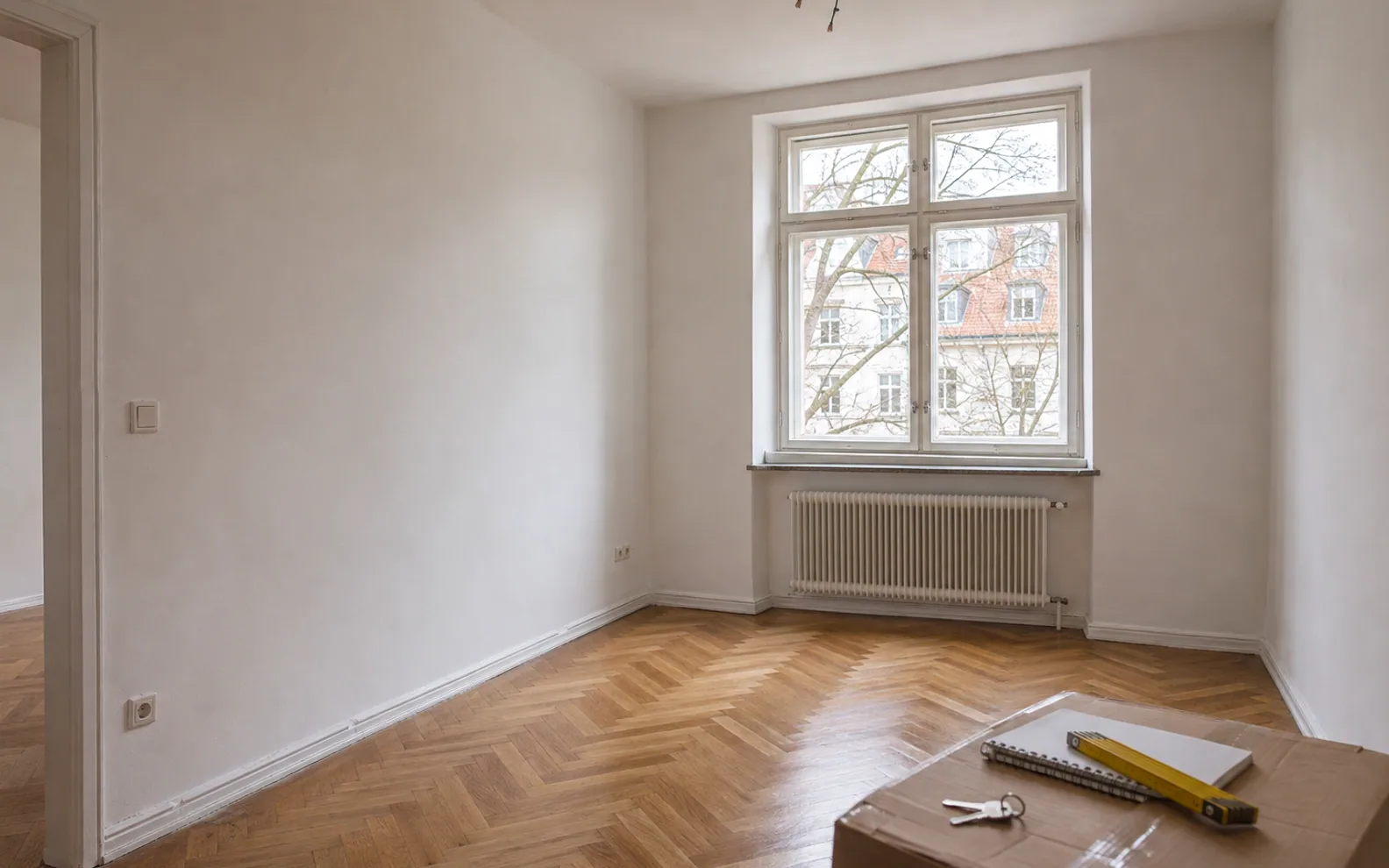
Pale, soft colours bounce more light around a room, which makes corners recede. Warm whites, light greys, pale sage or a soft putty all work; pure brilliant white can look cold in a room with little daylight, so test patches at night as well as in the morning. Painting the ceiling the same colour as the walls, or a shade lighter, blurs the line where they meet and makes the room feel taller. If you want depth rather than lightness, a single darker wall behind the bed can push that wall back visually, provided the other three stay quiet. The basics of picking a sheen and preparing the surface are set out in our primer on residential painting for homeowners.
Raise the window treatments
Curtains hung just above the frame chop the wall in half. Mount the rod closer to the ceiling and let it extend past the frame on both sides, and the window reads as larger while more glass is uncovered in daytime. Choose fabric in a tone close to the wall colour so the panels don't form a heavy block. The right drop for each style, from sill length to a light kiss on the floor, is covered in this curtain length guide.
Place the bed with walking space in mind
The bed is the largest object in the room, so its position decides everything else. Try these options before buying anything new:
- Centred on the longest wall: balanced and easy to make, but only if a clear path remains on both sides.
- Pushed into a corner: frees a wide strip of floor; a good choice for a single bed or a room used by one person.
- Under the window: often the only way to keep the door swing and wardrobe clear, as long as the radiator and draughts allow it.
A low headboard, or none at all, keeps the wall above the bed open. A bed frame on visible legs lets light pass underneath, while a storage bed trades that airiness for drawer space; pick whichever problem is bigger in your room.
Swap bulky pieces for lighter ones
Furniture that shows floor beneath it looks smaller than a solid block of the same size. The table below compares common swaps.
| Instead of | Try | Why it helps |
|---|---|---|
| Two chunky bedside cabinets | Wall-mounted shelves or a slim stool | Floor stays visible on both sides of the bed |
| Table lamps | Wall lights or pendants by the bed | Frees the bedside surface and lifts light higher |
| A free-standing wardrobe with ornate trim | A flat-fronted wardrobe painted the wall colour | Blends into the wall instead of standing out |
| A full dressing table | A narrow console or a mirror with a small shelf | Keeps a getting-ready spot in half the depth |
Lighting at more than one level matters too. A single ceiling fitting leaves corners dim, and dim corners make a room shrink; a reading light and a soft lamp low in the room spread the glow evenly.
Use mirrors and art with restraint
A large mirror opposite or beside the window doubles the daylight and suggests another room beyond. One generous mirror usually works better than several small ones, which tend to fragment the wall. The same rule applies to pictures: a single bigger piece or a neat row reads calmer than a scattered cluster. A slim digital frame that rotates many photos in one spot is one way to keep memories on show without filling every wall, and there are pointers on sizing one in this piece on large digital photo frames for walls.
Give everything a home off the floor
Clutter on the floor is what really makes a small bedroom feel cramped. Underbed boxes with lids, hooks on the back of the door, a shelf running above the door frame and drawer dividers inside the wardrobe all lift things out of sight. Keep the top of the chest of drawers mostly empty, with one or two objects rather than ten. A five-minute reset each evening, putting clothes away and clearing the bedside, holds the effect better than any single purchase.
Keep textiles simple
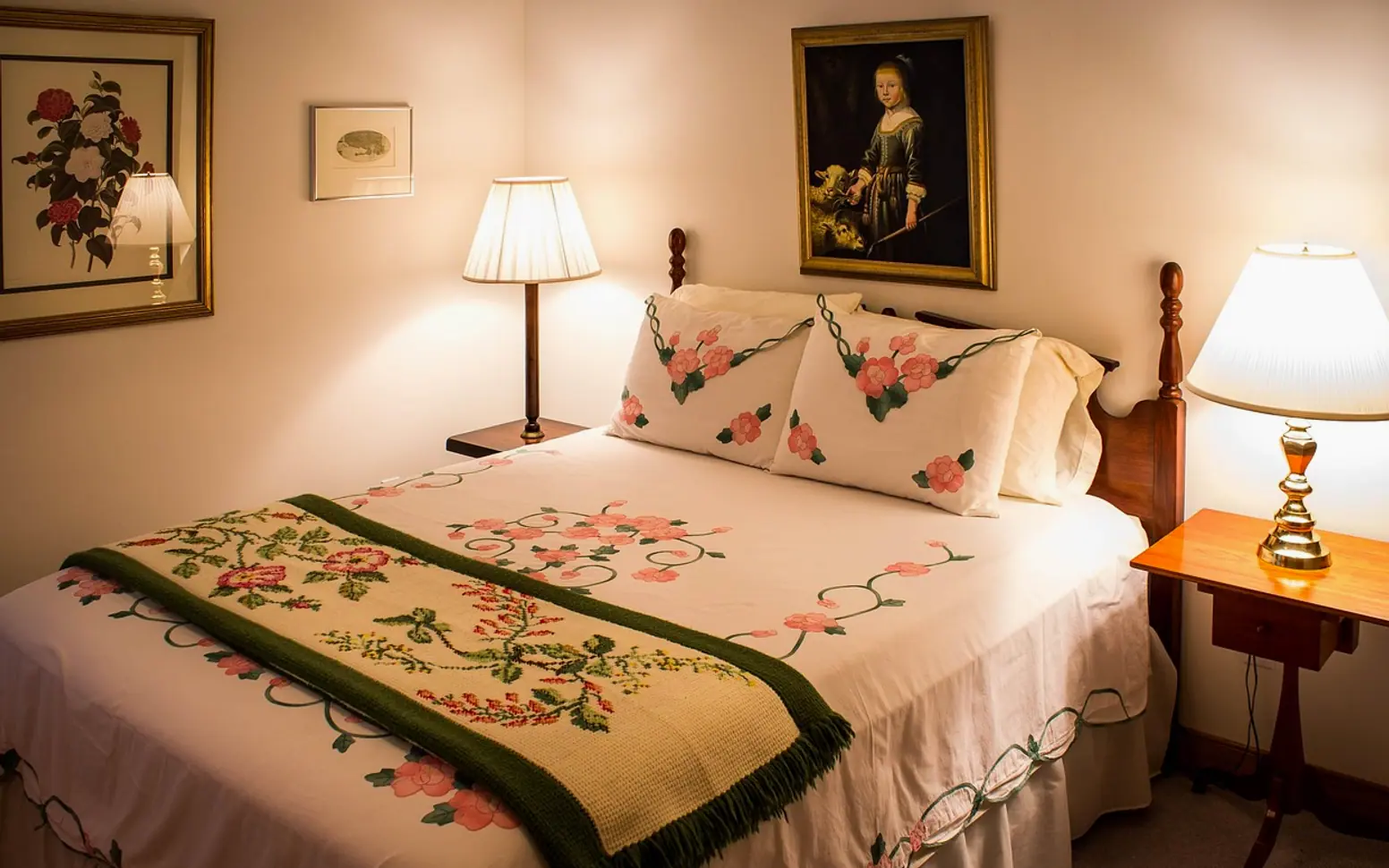
Bedding in one or two calm tones, a rug large enough to sit partly under the bed rather than a small mat floating in the middle, and cushions kept to a sensible number all help the room settle. Busy patterns are fine in small doses, on a single cushion or a lampshade, but a patterned duvet, rug and curtain together will make the walls feel closer. Many of the same principles apply in the room next door, and ideas for decorating a small living room show how scale, colour and layered light work in a shared space.
Tell us what you think.
We read every message.