To plan a bridal shower, agree on a host and a budget first, then build the guest list from the wedding list, pick a date a few weeks before the wedding, choose a format the bride will enjoy, and send invitations with the gift registry details. Food, a light activity or two and time for opening gifts fill the rest. Everything else, from the theme to the favours, is optional.
That short version covers most showers. The details below help with the decisions that tend to cause friction.
Who hosts a bridal shower?
Traditionally the maid of honour and bridesmaids organised the shower, sometimes with help from the bride's or groom's family. Older etiquette discouraged the bride's own mother from hosting because it could look like asking for gifts on the family's behalf, but that rule has relaxed in many circles. Today a shower might be hosted by a close friend, an aunt, a group of colleagues or both families together. What matters more than the title is that one person holds the plan, the budget and the guest list, so decisions don't bounce around a group chat for weeks.
Some couples are given more than one shower: one with family, another at work, a third among old friends. That is fine, as long as the guest lists overlap as little as possible so nobody is asked to bring a gift three times.
Agree on the basics with the bride
A surprise shower can be lovely, but a quiet conversation beforehand saves a lot of guessing. Ask about:
- Guests: who she would like there, and anyone to keep apart.
- Style: a relaxed brunch, an afternoon tea, a garden party, a dinner out or an activity such as a workshop.
- Mixed or not: many showers now include partners and friends of every gender; others stay traditional.
- Dates to avoid: other wedding events, travel, busy weeks at work.
- Things she would rather skip: certain games, being the centre of attention while opening gifts, or a particular theme.
The guest list rule worth keeping
Anyone invited to the shower should also be invited to the wedding. Inviting someone to a gift-giving party and then leaving them off the wedding list causes hurt that lasts longer than the party. The exception is a workplace shower where everyone understands the wedding itself is small. Keep the list to a size the venue and budget can comfortably hold, and check names and addresses against the couple's wedding list so nothing is missed.
A planning timeline
- Two to three months ahead: choose the host team, set the budget, agree on the date and the guest list with the bride.
- Eight to ten weeks ahead: book the venue or confirm the home that will host, decide on a theme if you want one, and arrange any hired tables, chairs or a tent for an outdoor setting.
- Six weeks ahead: send invitations with the date, time, place, RSVP deadline and the registry link.
- Three to four weeks ahead: plan the menu, order a cake if needed, and choose decorations and any activities.
- The final week: confirm numbers, assign jobs on the day (greeting, food, gift list, clearing up) and prepare a running order.
- Afterwards: pass the list of gifts and givers to the bride so she can send her thanks.
Many showers take place somewhere between a month and two months before the wedding, which leaves time to enjoy the gifts and keeps the shower from clashing with last-minute wedding tasks. For invitation wording and design ideas, the approach in our article on engagement invitation card designs translates well to shower cards, whether printed or sent digitally.
Themes that are easy to carry out
A theme is a shortcut for decisions about colour, food and decoration, not a requirement. A few that suit most budgets:
| Theme | Setting | Food and drink |
|---|---|---|
| Garden brunch | Backyard or conservatory, flowers in jars | Pastries, fruit, egg dishes, juice and fizz |
| Afternoon tea | Living room or a tea room | Finger sandwiches, scones, small cakes, a pot of good tea |
| Travel | Maps, luggage tags as place cards | Dishes from places the couple love or plan to visit |
| Recipe swap | Kitchen table set for a long lunch | Guests bring a dish and the recipe card for the couple |
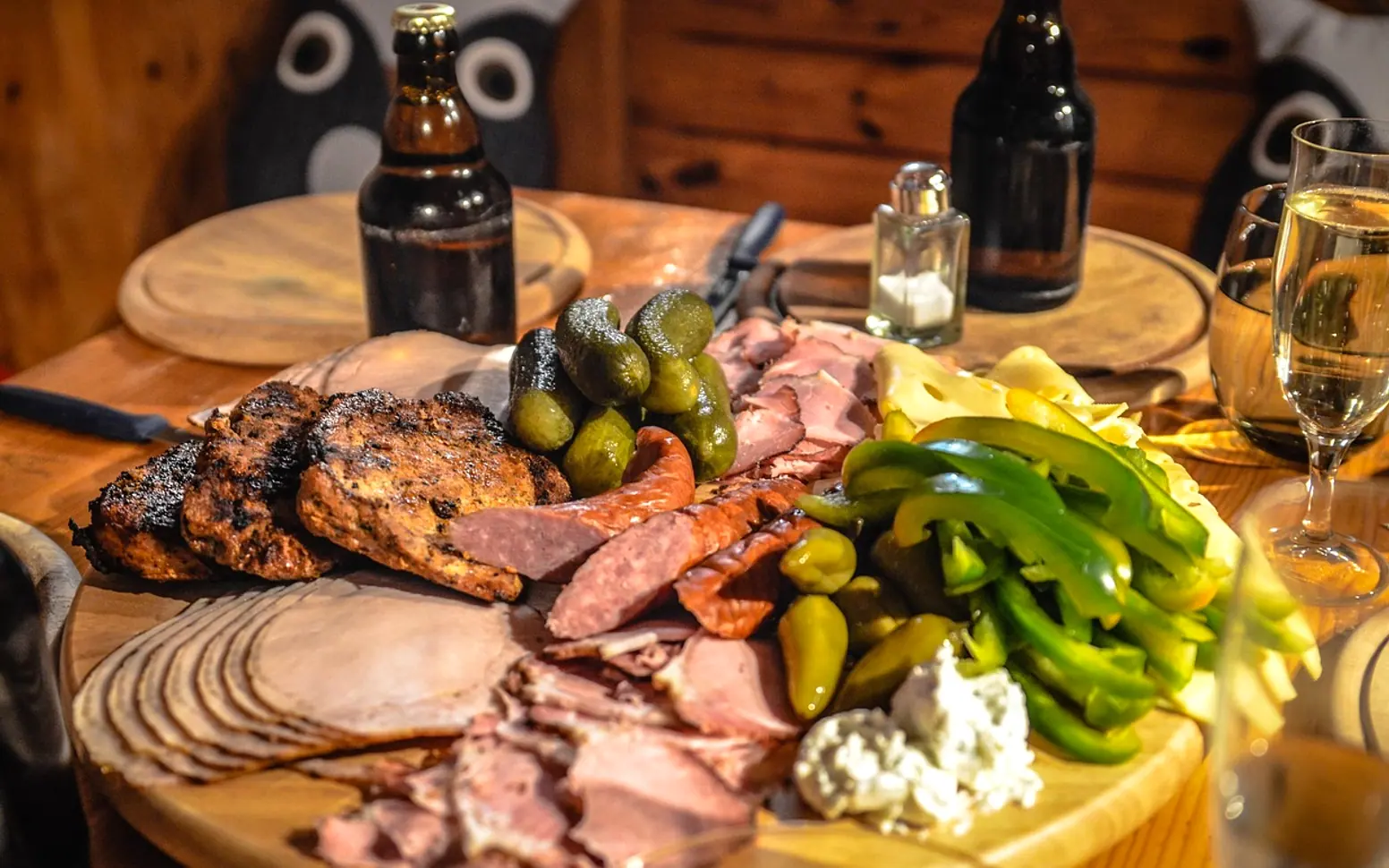
| Grazing party | Long table, candles, low flowers | Boards of cheese, cured meats, breads and dips |
If you go the grazing route, building a charcuterie board for a crowd explains quantities, layout and how long food can safely sit out.
Activities, games and photos
Most showers last two to three hours, which is enough time for one or two light activities. Pick ones that mix the groups, since the bride's university friends may never have met her new in-laws. A guessing game about how the couple met, a "how well do you know the bride" quiz, or a station where guests write advice cards all work without embarrassing anyone. For quieter crowds, icebreaker games that adults enjoy can warm the room before the main event.
A photo corner is a cheap way to keep people mingling: a backdrop, a few props and good light near a window. If the couple are already considering a booth for the reception, this playbook on wedding photo booths covers placement and timing in a way that applies to smaller parties too.
Gifts and the opening ritual
Put the registry on the invitation or the event page so guests don't have to ask. Some brides love opening gifts with everyone watching; others find it awkward. A middle ground is to open a few during the party and the rest later, with the host noting who gave what. Keep a pen and a simple list ready either way.
Common questions
Who pays for the bridal shower?
The host or hosts usually cover the cost. When several people share hosting, agree on the split before anything is booked.
Can the shower be held after the wedding?
It is unusual, but some couples hold a celebration after an elopement or a small ceremony. It then works more like a party for the newlyweds than a traditional shower.
Does the groom attend?
Traditionally the groom dropped in near the end to say thank you. Mixed showers, where the couple attend together, are increasingly common.
Tell us what you think.
We read every message.