Picture two wool jumpers on neighbouring shelves. One costs several times more than the other, and instinct says the expensive one must be better. Sometimes it is. Often, though, the difference lies in the label, the shop fit-out and the advertising budget rather than in the yarn or the stitching. Learning to separate price from value is one of the most useful shopping skills there is, whether you are choosing a winter coat or a birthday present.
Why we trust the price tag
Price is a quick shortcut. When we cannot judge quality ourselves, a higher number feels like reassurance. Brands know this and use premium pricing to signal exclusivity, which is why identical-looking products can sit at very different price points. Packaging, flagship stores, celebrity campaigns and limited editions all add cost without necessarily adding performance. None of this makes premium brands bad; it simply means the price reflects more than the object in your hands.
What value actually looks like
Value is the relationship between what you pay and what you get over the life of the item. For clothing and accessories, that comes down to a few concrete points:
- Materials: fibre content, leather type and lining quality tell you more than the logo.
- Construction: even stitching, finished seams, sturdy buttons and smooth zips suggest care in making.
- Fit and comfort: a piece you love wearing is worth more than one that stays in the wardrobe.
- Cost per wear: a pricier coat worn every winter for years may beat a cheap one replaced each season.
Comparing before you commit
Research does not have to be complicated. Read several reviews rather than one, look for comments about how something holds up after months of use and compare specifications line by line. Independent comparison portals are helpful here. If you read German, you can diesem Link folgen ("follow this link") to compare products in many categories by features and price. The aim is to find the point where quality and cost meet your needs, not to chase the lowest or the highest figure.
Gifts: the special case
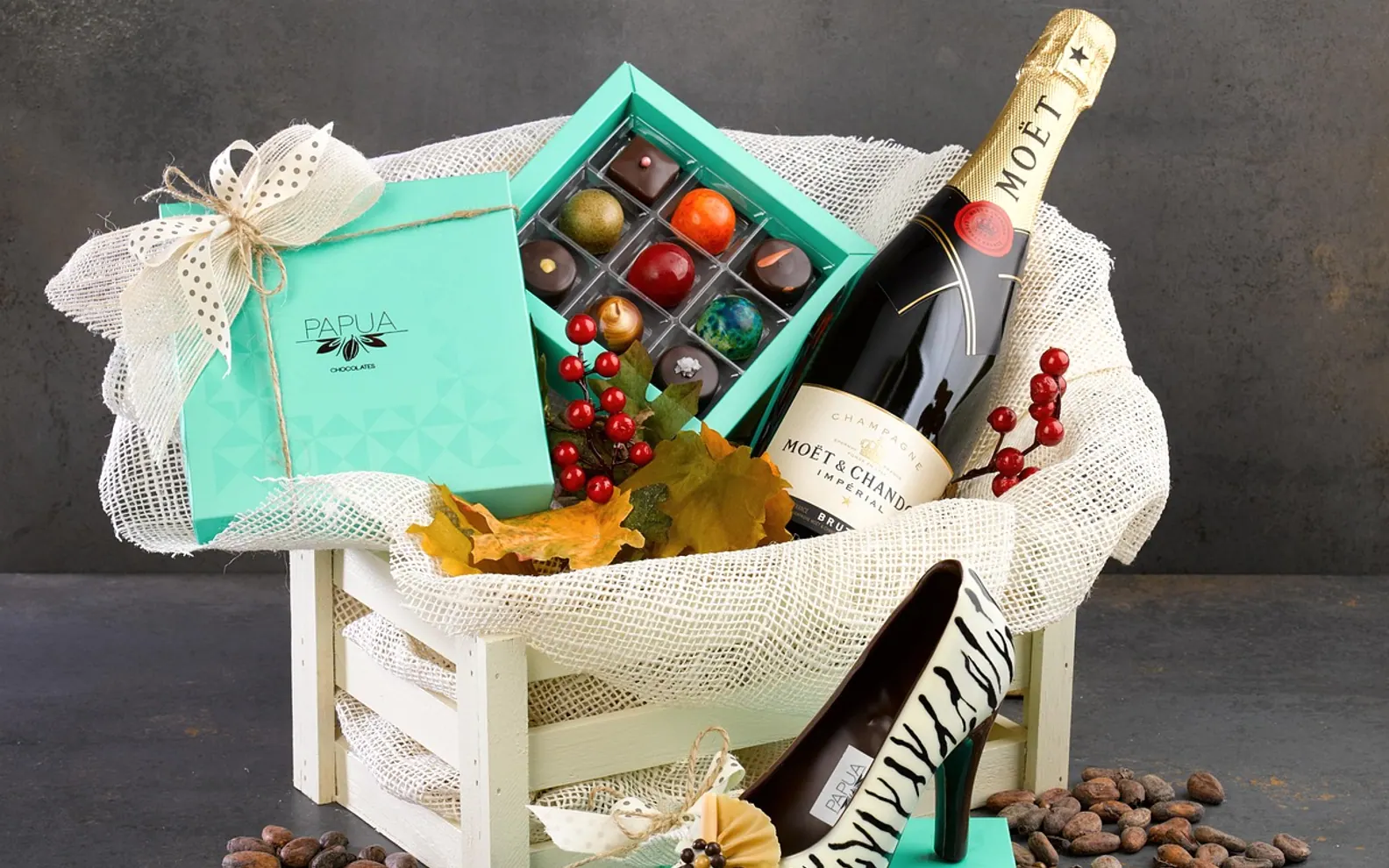
Gift shopping is where the price myth is strongest, because we worry that a modest amount will look careless. Yet the presents people remember are usually the ones that fit their life: a well-made notebook for a writer, a good kitchen tool for a keen cook, a scarf in a colour they always wear. Thoughtfulness carries more weight than cost. A small, well-chosen item from a lesser-known maker often lands better than an expensive product picked in a hurry.
When paying more makes sense
There are good reasons to spend extra. Items you use daily, such as shoes, a bag or a mattress, reward better materials. Repairable products, longer warranties and responsible production can justify a higher price too. The key is knowing why you are paying more. If you can name the concrete benefit, the premium is a choice. If the only reason is the label, it may be worth looking at alternatives first.
Shopping this way takes a little more thought at the start, but it usually leads to fewer regrets, a wardrobe that works harder and gifts that feel personal rather than merely expensive.
Tell us what you think.
We read every message.