
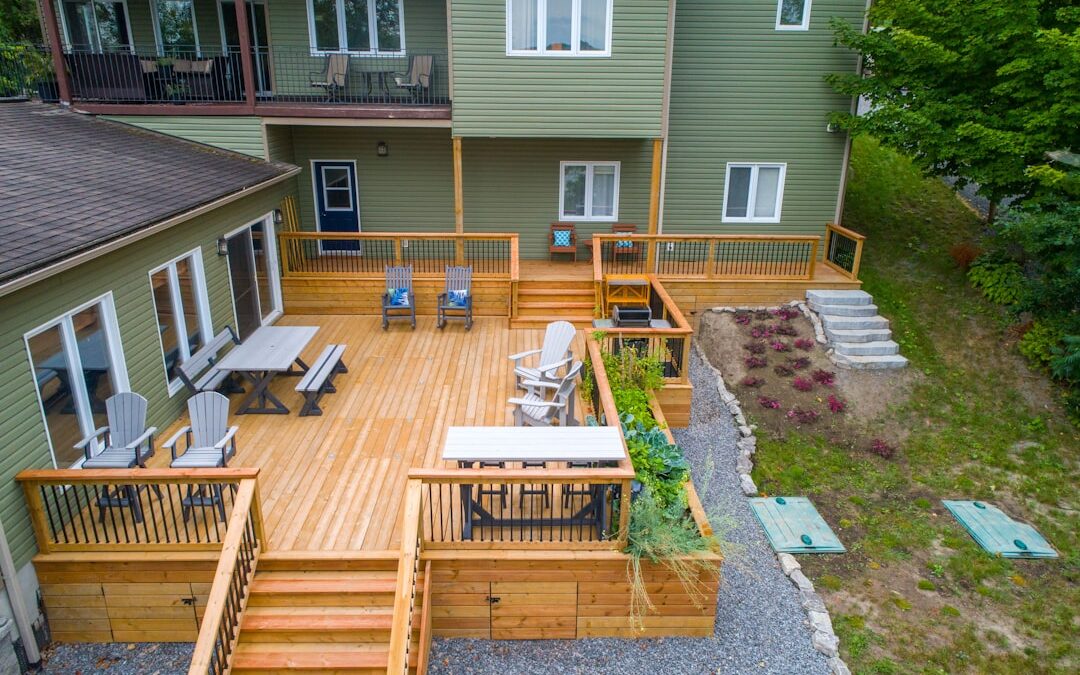
A new deck can transform the way a home looks, feels, and functions. It creates a natural extension of the living space, adds value to the property, and gives family and guests a comfortable place to relax outdoors. But even the best design can fall short if the contractor behind it is inexperienced, unreliable, or careless. Choosing the right deck building contractor is not simply about finding the lowest price. It is about hiring a professional who understands materials, code requirements, craftsmanship, communication, and long-term durability. When homeowners take the time to evaluate contractors carefully, they are far more likely to enjoy a smooth project and a finished deck that performs beautifully for years.
Why the Right Contractor Matters
Deck building may seem straightforward at first glance, but it involves far more than assembling boards and railings. A quality contractor must understand structural support, drainage, fasteners, load requirements, stair safety, and local building codes. If any of these elements are overlooked, the result can be costly repairs, premature wear, or even safety hazards.
The right contractor helps homeowners avoid these problems by bringing technical knowledge and practical experience to every stage of the project. They can recommend the best materials for the local climate, explain the differences between wood and composite decking, and spot design issues before construction begins. They also know how to manage permits, inspections, timelines, and subcontractors if needed.
Just as important, a reputable contractor protects the homeowner’s investment. A deck is a significant upgrade, and poor workmanship can reduce both its beauty and resale value. When the contractor is skilled and professional, the finished space is more likely to be durable, attractive, and built to last.
What to Look for Before Hiring
The contractor search should begin with research, not estimates. Homeowners should start by identifying companies with a strong local reputation, proven deck-building experience, and a portfolio that reflects the style and quality they want. Online reviews can be helpful, but they should be read with balance. A pattern of consistent praise for communication, reliability, and workmanship is usually more meaningful than a perfect rating.
It is also wise to focus on specialists rather than general handymen. Decks require structural precision, and a contractor who regularly builds decks is often better equipped to handle design choices, permitting, and material performance. When researching deck builders tacoma, for example, homeowners should pay close attention to local experience, since weather patterns, soil conditions, and municipal codes can all influence how a deck should be built.
Before moving forward, every contractor should be screened for a few essentials:
- Licensing and insurance: The company should carry appropriate licensing and both liability and workers’ compensation insurance.
- Portfolio of completed work: Clear photos of past projects help verify quality and style.
- References: Recent clients can provide insight into punctuality, professionalism, and follow-through.
- Written process: A professional contractor should be able to explain the timeline, payment schedule, and construction steps clearly.
- Warranty coverage: Homeowners should understand what is covered on labor and materials after completion.
If a contractor is vague, dismissive, or unable to provide documentation, that is often a sign to keep looking.
Questions to Ask During the Estimate Process
An estimate is more than a price quote. It is an opportunity to evaluate how a contractor thinks, communicates, and solves problems. The best contractors usually ask detailed questions about the home’s layout, intended use of the deck, budget priorities, and maintenance expectations. That level of curiosity often reflects a more thoughtful building process.
During consultations, homeowners should ask direct questions that reveal both expertise and professionalism:
- How long have you been building decks? Experience matters, especially with structural and code-related details.
- Will you handle permits and inspections? This confirms whether the contractor is prepared to manage the full legal process.
- What materials do you recommend and why? A strong answer should reflect climate, upkeep, durability, and budget.
- Who will be on-site each day? It is helpful to know whether the work is done in-house or subcontracted.
- How do you manage changes or unexpected issues? Clear communication around change orders is essential.
- What is the expected timeline? A realistic schedule is better than an overly optimistic promise.
Homeowners should also pay attention to how the contractor presents the estimate. A professional proposal should include a detailed scope of work, material specifications, payment terms, and projected milestones. The more transparent the quote, the easier it becomes to compare contractors fairly.
How to Compare Bids and Protect Your Investment
Once estimates are collected, it can be tempting to focus on the bottom-line price. That is understandable, but the cheapest option is not always the best value. A lower bid may leave out important structural elements, use lower-grade materials, or rely on rushed labor. In many cases, the more detailed and realistic estimate leads to better long-term results.
Instead of asking which contractor is cheapest, homeowners should ask which bid offers the best combination of quality, clarity, and trust. A solid comparison should include:
- Scope of work: Are demolition, site preparation, framing, railing, stairs, and cleanup all included?
- Material quality: Are the decking boards, fasteners, footings, and rail systems clearly specified?
- Timeline: Does the contractor offer a reasonable schedule with clear expectations?
- Warranty: Is there written coverage for workmanship?
- Communication: Has the contractor been responsive, organized, and easy to work with?
It is equally important to review the contract carefully before signing. Every agreement should include the full project description, payment schedule, estimated start and completion dates, procedures for changes, and warranty terms. Homeowners should be cautious of large upfront payments, verbal-only promises, or vague language. A trustworthy contractor will welcome questions and explain the contract with confidence.
Finally, homeowners should trust both the facts and their instincts. If a contractor seems evasive, pressures them to decide quickly, or cannot explain the reasoning behind recommendations, that should raise concerns. A successful deck project depends on strong communication from beginning to end, and that begins with choosing a contractor who inspires confidence.
Choosing the right deck building contractor takes time, but that effort pays off in quality, safety, and peace of mind. By researching thoroughly, asking smart questions, and comparing bids beyond price alone, homeowners can make a decision that supports both their vision and their budget. The best contractor will not simply build a deck. They will help create an outdoor space that complements the home, fits the lifestyle, and stands strong for many seasons to come.
