
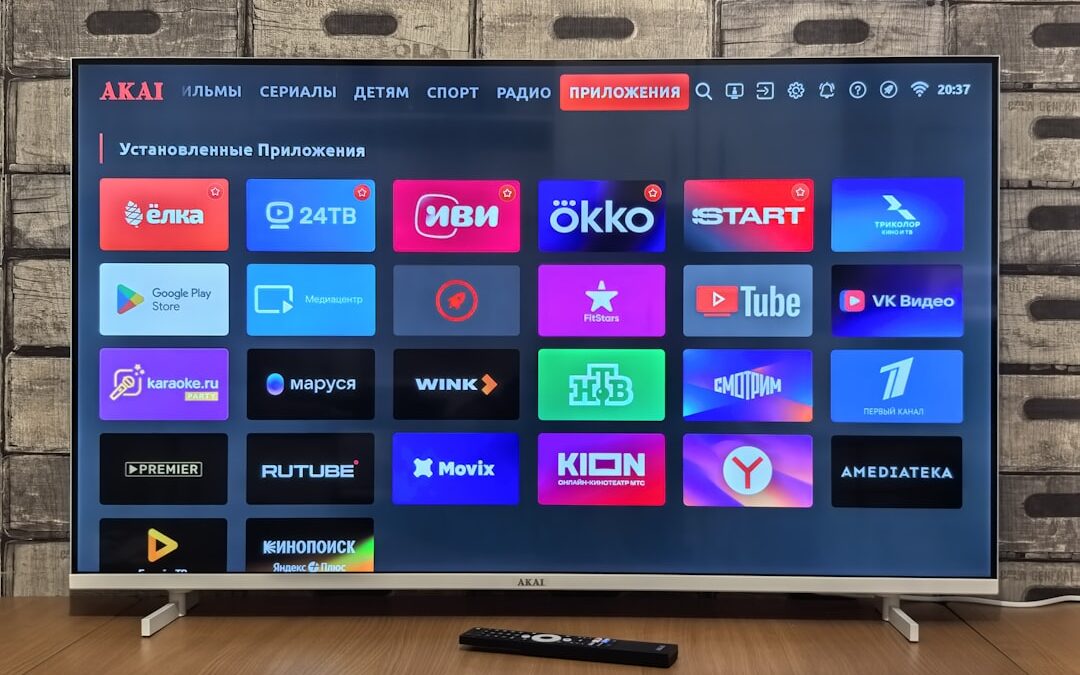
Home entertainment in France is changing quickly, and IPTV is at the center of that shift. For many households, traditional TV no longer matches the way people actually watch content. Viewers want more flexibility, more choice, and better control over when and where they watch their favorite programs. IPTV, or Internet Protocol Television, answers those expectations by delivering live channels, on-demand films, series, sports, and international programming through an internet connection rather than older broadcast methods. As broadband access improves and digital habits become more mature, French families are discovering that IPTV is not simply an alternative to conventional television. It is a more modern, responsive, and personalized way to build an entertainment experience at home.
The move from fixed schedules to flexible viewing
One of the biggest reasons IPTV is transforming home entertainment in France is its flexibility. Traditional television has long depended on rigid schedules. If a viewer missed a film, a football match, or an evening series, there was often little they could do except wait for a replay. IPTV changes that model by putting control back into the hands of the audience. With on-demand libraries, catch-up features, and live channel access in one place, viewers are no longer forced to organize their day around a TV timetable.
This matters especially in modern French households, where routines are increasingly busy and varied. Parents, students, and professionals rarely share the same schedule, and each person may want to watch something different on a different screen. IPTV supports that reality. It allows content to be streamed on smart TVs, tablets, smartphones, and computers, making entertainment available in the living room, bedroom, or even while traveling. In practical terms, IPTV fits contemporary life better than older TV systems because it adapts to the viewer instead of demanding that the viewer adapt to it.
A broader content universe for French audiences
Another major advantage of IPTV in France is the variety of content it can provide. French audiences often want a mix of local channels, European programming, major international networks, films, documentaries, children’s content, and premium sports. IPTV platforms are well positioned to deliver that range in a single service. Instead of switching between several subscriptions or relying on limited channel packages, viewers can access a wider entertainment ecosystem through one streamlined interface.
This diversity is particularly attractive in a country with both strong national media preferences and a growing appetite for global content. French-speaking households may want domestic news and cultural programming alongside English-language series, international cinema, or foreign sports competitions. A well-designed IPTV service can meet those needs efficiently. For users exploring reliable options in this space, services such as IPTV Premium France reflect how the market is evolving toward more complete and user-focused entertainment solutions. The result is a richer viewing experience that feels more personalized and far less restrictive than traditional TV bundles.
Better value and a more convenient user experience
Cost and convenience are also driving IPTV adoption across France. Many consumers are reassessing monthly entertainment spending and asking whether traditional television packages still offer good value. IPTV often stands out because it combines live television, replay content, and video on demand in a way that feels more efficient. Instead of paying for channels they rarely watch, users tend to prefer services that offer more relevant content and easier navigation.
From a user experience perspective, IPTV feels closer to the digital platforms people already use every day. Menus are typically more intuitive, search functions are faster, and recommendations can help viewers discover content based on their interests. This ease of use is a major factor in home entertainment decisions, especially for families that want something simple enough for everyone to navigate.
- Multi-device access makes it easy to continue watching from one room to another.
- On-demand libraries reduce dependence on fixed broadcasting schedules.
- Live channel streaming keeps major events, news, and sports instantly available.
- Personalized viewing creates a more relevant entertainment experience for each household member.
In short, IPTV aligns with what modern consumers value most: simplicity, choice, and a sense that their subscription is actually working for them.
Why France is especially ready for the IPTV revolution
France is particularly well positioned for IPTV growth because the country already has many of the ingredients needed for strong adoption. High-speed internet access is widespread, smart TVs are common, and viewers are increasingly comfortable with digital subscriptions. At the same time, the French entertainment market is uniquely dynamic. People care deeply about cinema, sports, news, and cultural programming, but they also expect modern delivery methods. IPTV responds to both expectations by combining strong content availability with a digital-first experience.
There is also a cultural shift at work. Younger audiences in France have grown up with streaming platforms, mobile apps, and instant access to media. For them, waiting for scheduled broadcasts feels outdated. Older viewers are also embracing IPTV as interfaces become easier to use and content catalogs become more appealing. As generations converge around convenience and personalization, IPTV becomes the natural next step for the household screen. It is not only changing what people watch, but also redefining what they expect from television itself.
IPTV is transforming home entertainment in France because it delivers what today’s viewers genuinely want: flexibility, richer content, stronger value, and seamless access across devices. As digital habits continue to evolve, traditional television models will face growing pressure to keep up. IPTV is already proving that home entertainment can be more adaptable, more personalized, and more aligned with everyday life. For French households looking ahead, it represents not just a new way to watch TV, but a smarter way to experience entertainment as a whole.
