
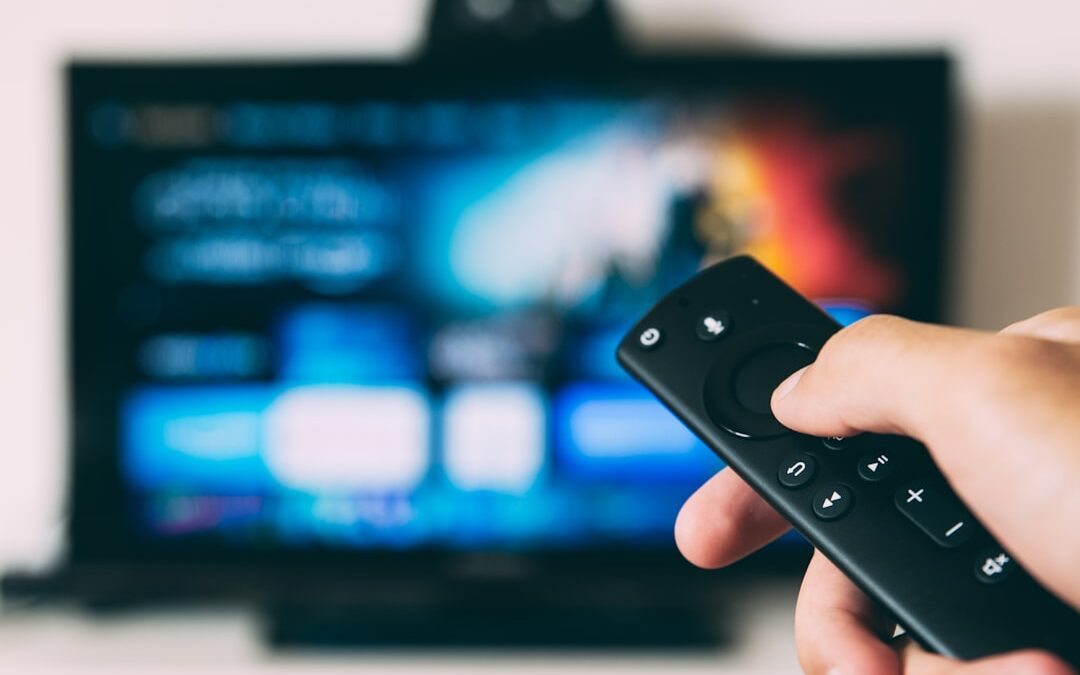
Home entertainment is changing faster than at any point in the past two decades. Audiences no longer want to be tied to fixed schedules, expensive cable bundles, or limited device access. They want flexibility, personalization, and instant availability. That shift is exactly why IPTV is gaining momentum across global markets. Internet Protocol Television, better known as IPTV, delivers television content through internet networks rather than traditional satellite or cable systems. As streaming habits become the norm and broadband infrastructure improves, IPTV is moving from an alternative option to a mainstream standard for modern viewing.
Why Viewer Expectations Have Changed
The biggest reason IPTV is winning worldwide is simple: consumer behavior has evolved. Viewers now expect content to be available on demand, across multiple devices, and tailored to individual preferences. Traditional TV models were built around programming schedules. IPTV is built around the user.
In many households, entertainment no longer happens on one screen in one room. People watch live sports on smart TVs, continue a series on tablets, and catch up with news on mobile phones. IPTV supports this multi-device lifestyle naturally because it is internet-based and designed for flexibility.
There is also growing frustration with paying for channels that are rarely watched. IPTV often appeals to consumers because it offers a more efficient and modern way to access content. Instead of being locked into rigid packages, viewers are increasingly drawn to services that prioritize convenience, relevance, and control.
From a global perspective, this shift is especially important. In regions where traditional cable infrastructure is limited, IPTV can expand access to quality entertainment without requiring the same physical network investment. That makes it both a consumer trend and a practical technology solution.
The Technology Behind IPTV’s Global Rise
IPTV’s expansion is closely tied to advances in broadband speed, smart device adoption, and video compression technology. As internet quality improves, more households can stream high-definition and even ultra-high-definition content smoothly. This has removed one of the biggest barriers that once slowed internet-based television.
Another factor is compatibility. IPTV services can work across a broad ecosystem of devices, including:
- Smart TVs
- Streaming boxes
- Smartphones and tablets
- Laptops and desktop computers
- Dedicated IPTV applications
This device flexibility creates a user experience that feels seamless and modern. It also supports how families actually consume media today, with different household members often watching different content at the same time.
Cloud-based delivery is another advantage. IPTV providers can scale efficiently, update channel libraries quickly, and offer features such as catch-up TV, replay functions, and video-on-demand. These features are increasingly viewed as standard rather than premium. In a highly competitive entertainment landscape, the platforms that provide speed, usability, and convenience are naturally gaining ground.
For viewers exploring reliable options in this growing market, services such as IPTV Nordic reflect how the industry is adapting to demand for accessible, internet-driven television experiences.
Key Benefits That Make IPTV More Attractive Than Traditional TV
IPTV is not just popular because it is new. It is popular because it solves real pain points that older systems struggle to address. Around the world, consumers are comparing cost, usability, and content availability more closely than ever before, and IPTV performs well in all three areas.
Greater flexibility
Viewers can watch what they want, when they want, and where they want. This freedom fits modern schedules better than traditional appointment-based television.
Broader content access
Many IPTV platforms offer international channels, niche programming, sports coverage, films, and series in one place. This is especially valuable for multicultural households and viewers who want access to content from multiple countries.
Better value perception
Consumers increasingly evaluate entertainment spending based on actual use. IPTV often feels more aligned with this mindset because it emphasizes relevant content and practical viewing features instead of unnecessary extras.
Enhanced user experience
Search tools, recommendations, catch-up features, and organized interfaces help viewers find content faster. The overall experience can feel closer to leading digital platforms than to legacy TV menus.
These benefits explain why IPTV adoption continues to rise across Europe, Asia, North America, and emerging digital markets. As more consumers prioritize personalized media experiences, IPTV becomes a logical choice rather than a niche one.
What the Future of Home Entertainment Looks Like
Looking ahead, IPTV is likely to play an even larger role in shaping global entertainment habits. The future is not only about replacing cable. It is about redefining what television means in a connected world.
Several trends support this direction:
- Personalization will deepen. AI-driven recommendations and viewer profiles will make content discovery faster and more relevant.
- Integration will expand. IPTV will increasingly connect with smart home ecosystems, voice assistants, and unified entertainment dashboards.
- Live and on-demand will merge. The distinction between scheduled TV and streaming libraries will continue to blur as platforms combine both formats in one experience.
- Global content will become more accessible. Audiences will expect easy access to programming from different languages and regions, and IPTV is well positioned to meet that demand.
There will, of course, be competition. Major streaming brands, telecom providers, and digital media companies all want a share of the home entertainment market. But IPTV has a powerful advantage: it sits at the intersection of live television, on-demand viewing, and internet-first convenience. That makes it uniquely suited to how audiences already behave.
As infrastructure improves and user expectations continue rising, the question is no longer whether IPTV will influence the future of home entertainment. It already is. The more relevant question is how quickly different markets will accelerate their transition.
In conclusion, IPTV is winning worldwide because it aligns with what modern viewers value most: flexibility, variety, control, and convenience. Traditional broadcasting models still have a place, but they are no longer setting the pace of innovation. Internet-based television is. For households seeking a smarter and more adaptable entertainment experience, IPTV is becoming not just an option, but the future.
